LEASING
AI for Commercial Real Estate Leasing: From Tenant Research to Approved Proposal
How leasing teams can use AI for tenant research, requirement tracking, tour preparation, proposal drafting, lease-event monitoring, and follow-up while keeping deal terms and communications controlled.
Direct answer
Direct answer to AI for commercial real estate leasing
Automate preparation and memory around the leasing process; keep economics, representations, and every external communication under human approval.
Create one live requirement record
Leasing information arrives across emails, calls, tour notes, proposals, and CRM fields. AI can consolidate that record: size, geography, use, timing, term, budget, parking, power, access, build-out, decision makers, open questions, and the source of each requirement.
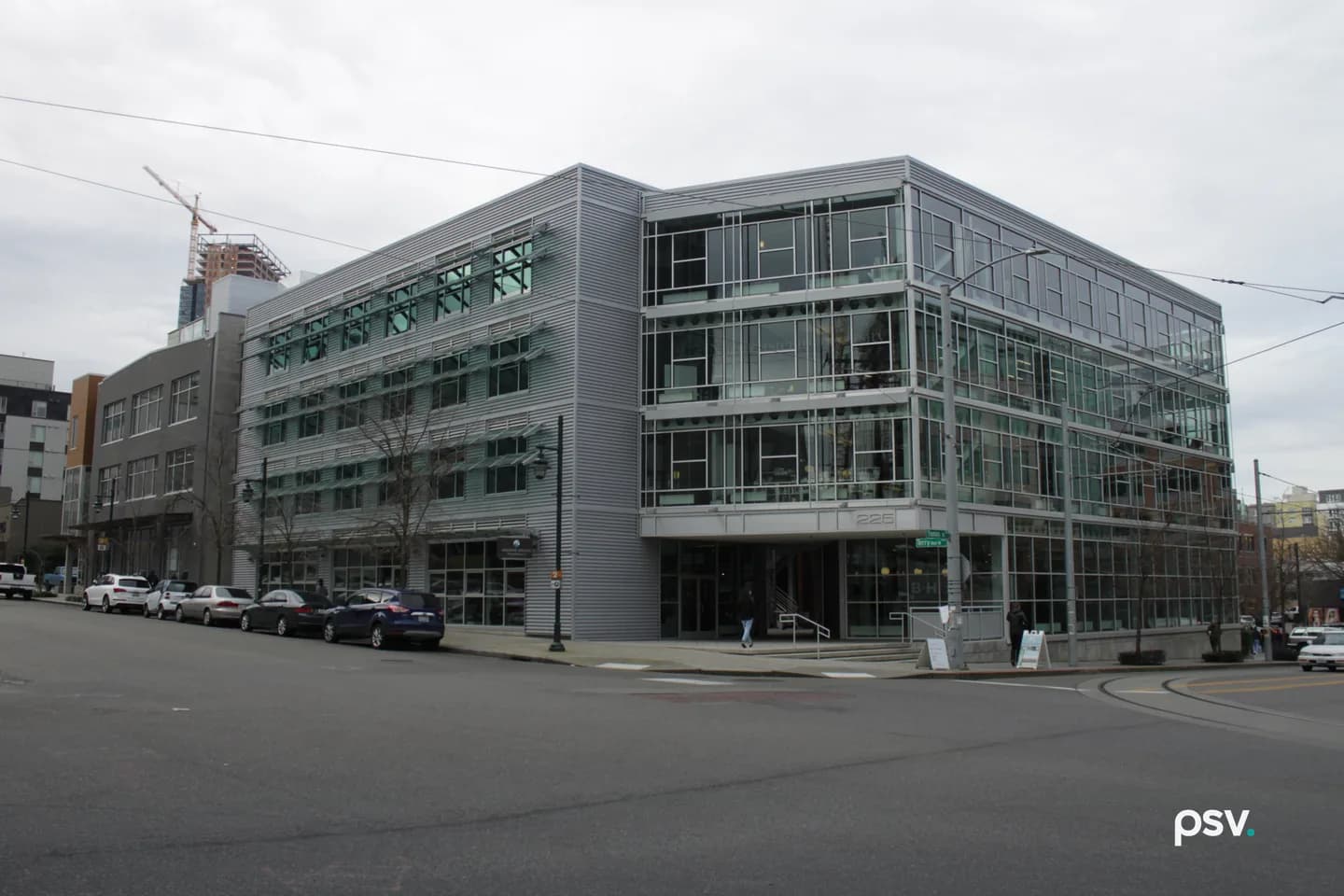
The record should distinguish a confirmed requirement from an inference. A comment such as 'growth is possible' is not authority to increase the requirement. The broker or leasing manager approves changes before the record becomes the basis for a proposal.
Prepare the interaction, then remember it
Before a call or tour, AI can assemble the tenant's public business context, prior conversations, relevant building facts, likely objections, and the unresolved points that require an answer. Afterward, it can turn notes into a draft follow-up, CRM update, and next-action list.
This is a memory system, not an autonomous representative. The leasing professional chooses what matters, confirms the facts, and sends the communication.
- Tenant brief: public company facts, locations, growth signals, and known requirement history.
- Tour brief: approved building facts, comparable spaces, logistics, and questions to resolve.
- Proposal comparison: economics and terms normalized across versions with changes highlighted.
- Follow-up: decisions, questions, owners, deadlines, and a draft message for approval.
Normalize proposals without flattening the deal
AI can extract rent, escalations, free rent, allowances, options, commencement conditions, operating-expense structure, security, and special provisions into a comparison table. The underlying proposals remain the source of truth.
A normalized table helps the team spot differences. It does not determine which structure is best. Timing, credit, capital, relationship, execution risk, and ownership objectives still require judgment.
| The job | Done by hand | General chatbot | Grounded AI workflow |
|---|---|---|---|
| Requirement record | Requirements sit across emails, calls, tour notes, proposals, and CRM fields; the team reconciles them. | Summarizes what it is given, but does not track the source of each requirement or separate fact from inference. | One live record of size, use, timing, budget and more, with a source per item; changes approved before use. |
| Call and tour preparation | Someone gathers public business context, prior conversations, and building facts before each interaction. | Drafts a plausible tenant brief from general knowledge, without prior conversations or approved building facts. | Assembles tenant brief, approved building facts, and unresolved questions; the professional confirms the facts. |
| Proposal comparison | The team reads each proposal and lines up rent, escalations, free rent, allowances, and options itself. | Can tabulate terms pasted in, but the table is not tied back to the underlying proposal documents. | Extracts terms into a normalized table; the proposals stay the source of truth and structure choice stays human. |
| Follow-up and CRM memory | Decisions, questions, owners, and deadlines get captured only if someone writes them up after the fact. | Turns notes into a draft message, but keeps no memory of decisions, deadlines, or the requirement history. | Drafts follow-up, CRM update, and next-action list; the professional chooses what matters and sends it. |
| Sending external communications | An authorized person drafts and sends; who approved the facts and economics is hard to reconstruct later. | Drafting is fast, but speed does not change agency or approval requirements, and nothing records approval. | Nothing goes out until an authorized person approves the exact content and recipient; approval is recorded. |
Control every external act
No AI workflow should send a proposal, alter a deal term, represent availability, or make a commitment without an authorized person approving the exact content and recipient. Drafting speed does not change agency or approval requirements.
The workflow should record who approved the facts, economics, and message. That record protects the relationship and makes the process easier to hand off when a team member is unavailable.
The six controls at work in a leasing deal
The operator read
Finish with the judgment call.
The reported facts are above. Enter your email for PSV's operator conclusion and a year of access to every newsroom brief.
Free. No card. Privacy policy. Unsubscribe anytime.
 by PSVLive
Build the workflow behind this analysis. Train with the operators doing it.
Real deal files, live builds, and production-ready CRE AI workflows inside the CRE AI Institute.










Clear answers
Common questions about AI for commercial real estate leasing
How can AI help commercial real estate leasing?
AI can prepare tenant and market research, organize tour notes, draft follow-up, compare proposals, abstract lease economics, and maintain pipeline reporting. Broker judgment should control positioning, concessions, negotiation, and external sends.
Can AI send a leasing proposal without review?
It should not. A proposal can create commercial expectations and may contain pricing, concessions, dates, and representations; an authorized person should verify and approve it before delivery.
What inputs improve an AI leasing workflow?
Use approved availability, asking terms, comp evidence, tenant requirements, tour notes, proposal history, lease language, and the owner's concession rules. The workflow should show which facts are current and which remain assumptions.
Primary sources and operating references
These references support the control, research, and operating standards used in this guide. PSV’s workflow recommendations are original analysis.
Topics
Related PSV analysis
BROKERAGE
AI for Commercial Real Estate Brokers: The Workflows That Actually Move a Deal
A practical operating guide to using AI across prospecting, pursuit research, BOV production, listing materials, and follow-up without giving away the broker's judgment or voice.
PROPERTY OPERATIONS
AI for Commercial Property Management: Work Orders, CAM, Leases, and Tenant Service
Where AI can assist a commercial property-management team, where deterministic systems must remain authoritative, and which tenant-facing actions always require controls.
DEVELOPMENT
AI for Commercial Real Estate Developers: Feasibility, Entitlements, Cost, and Schedule
A development-focused AI workflow for site screening, feasibility, entitlement research, consultant coordination, budget review, schedule risk, and investment-committee preparation.
Related guides
Cornerstone PSV guides on the workflows in this article.
AI for Real Estate Investing
How commercial real estate investors use AI across the deal lifecycle: sourcing, underwriting, due diligence, and asset management, grounded in real documents.
Read the guideWhat is CRE AI?
The definitional guide to commercial real estate AI: the core workflows, how it differs from a chatbot, and how to learn it.
Read the guideby PSVLiveYou read the operator view. Now learn to run the workflow.
The AI MBA for commercial real estate: the workflows these briefs describe, taught end to end on real deal files, with live builds and a community of CRE operators.