CRE PROPTECH NEWS
Court Opens Landlord Discovery in Yardi Rent-Pricing Case
On October 13, 2026, a federal judge in Seattle ended phased discovery in the antitrust class action over Yardi’s Revenue IQ rent-pricing software, lifted the stay protecting the landlord defendants, and denied Yardi’s summary judgment motion without prejudice, except on a count plaintiffs dropped. The order says it expresses no view on the merits.
Direct answer
Direct answer to Yardi Revenue IQ antitrust lawsuit
Yardi’s bid to end the case on how its software works did not succeed: the court said the argument also depends on what landlords knew and did, so discovery now reaches the landlords. This is a procedural ruling, not a finding that the software fixed rents. For multifamily owners it is a reminder that who accepted a pricing recommendation, and why, can become evidence.
What the court ordered
On October 13, 2026, Judge Robert S. Lasnik of the U.S. District Court for the Western District of Washington issued an order in In re Yardi Revenue Management Antitrust Litigation, case 2:23-cv-01391, filed as Docket 582. The case began on September 8, 2023, with a complaint by renter McKenna Duffy, and the consolidated complaint alleges that Yardi and landlord defendants violated Section 1 of the Sherman Act through Yardi’s revenue-management software for multifamily rental pricing. The order grants plaintiffs’ motion to unphase discovery, which lifts the temporary stay on discovery against the landlord defendants that the court imposed on March 24, 2025, and lets the parties proceed with the remainder of discovery. The first phase, aimed at Yardi’s software, closed on November 14, 2025.
Yardi’s motion for summary judgment is granted as to Count II, which the order says plaintiffs have “unequivocally abandoned,” and otherwise denied without prejudice to renewal after discovery. The court reasoned that Yardi’s arguments do not turn only on its software’s features, and also ask the court to infer what the landlords knew and whether they decided independently, so the record needs to be developed first. The order also denies without prejudice four expert-related motions briefed on the first-phase record, and grants motions to keep limited client and source-code material under seal. The parties owe a joint status report and proposed discovery plan within 28 days, which computes to November 10, 2026.
Why a CRE operator should care
Some coverage described the ruling as a judge denying Yardi’s summary judgment motion outright. The order is narrower: summary judgment was granted on Count II and denied on the rest without prejudice, and the court wrote that the ruling “expresses no view on the ultimate merits.” The remaining theories, as the order summarizes them, are a hub-and-spoke conspiracy between Yardi and landlords, and an agreement among defendants to exchange competitively sensitive, non-public information through Yardi. Yardi has told the press the allegations are false and that it will defend the case; that is a company statement, not a finding.
The practical shift is who has to produce documents. For three years the case could be read as a question about one vendor’s code. The court has now said that question does not settle the case, and the landlord defendants’ communications, configurations and decisions are in scope. The order records Yardi’s own points: individualized software configurations, client-selected reference rents, clients’ ability to modify or reject recommendations, and no direct use of one client’s confidential data in another client’s output. Those points are about owner-side choices, which is why they now sit in discovery. This is a separate matter from the RealPage litigation, and nothing in the order connects them.
The workflow PSV would run: a pricing-decision log
The tool is a pricing-decision log for each multifamily property that uses revenue-management software. Inputs are the software’s weekly or daily recommendations, the rent actually set, who approved or overrode each unit-type change, the stated reason, and the configuration settings in force that week. The output is a per-property table that shows the acceptance rate, every override with its reason, and any configuration change with its date and owner. It is built from the owner’s own exports and approvals, not from a vendor’s dashboard summary.
The reviewer is the regional asset manager, with counsel deciding retention and what the log should and should not capture. The approval gate is that nothing leaves the owner’s systems or is shared with a vendor or another owner without counsel’s sign-off, and the log never contains another landlord’s non-public data. It records the owner’s own decisions and does not assess whether any practice is lawful.
What stays with a person, and what the record leaves open
The operator read
Finish with the judgment call.
The reported facts are above. Enter your email for PSV's operator conclusion and a year of access to every newsroom brief.
Free. No card. Privacy policy. Unsubscribe anytime.
 by PSVLive
Build the workflow behind this analysis. Train with the operators doing it.
Real deal files, live builds, and production-ready CRE AI workflows inside the CRE AI Institute.











Clear answers
Common questions about Yardi Revenue IQ antitrust lawsuit
Did a judge rule that Yardi fixed rents?
No. The October 13, 2026 order in the Western District of Washington is procedural. It ends phased discovery, denies Yardi’s summary judgment motion without prejudice to renewal after discovery, and says it expresses no view on the ultimate merits. Summary judgment was granted only on Count II, which plaintiffs abandoned.
What changes for landlords named in the Yardi case?
The court lifted the stay on discovery directed to the landlord defendants. The parties may now take discovery on landlord knowledge, communications and conduct, and must file a joint status report and proposed discovery plan within 28 days of the order.
What are the claims against Yardi?
The consolidated complaint alleges violations of Section 1 of the Sherman Act over Yardi’s revenue-management software. The order describes a hub-and-spoke conspiracy theory and an agreement among defendants to exchange non-public information through Yardi. Yardi has said the allegations are false and that it will defend the case.
Primary source record
These records support the reported facts in this brief. PSV’s CRE workflow interpretation and test plan are original analysis.
- U.S. District Court, W.D. Wash., In re Yardi Revenue Management Antitrust Litigation, No. 2:23-cv-01391-RSL, Dkt. 582, Order Granting Plaintiffs’ Motion to Unphase Discovery, October 13, 2026 (CourtListener RECAP)
- Duffy v. Yardi Systems Inc., docket 2:23-cv-01391 (CourtListener)
- Multifamily Dive, “Judge denies Yardi’s ask for summary judgement in rent price-fixing case,” October 19, 2026 (company statement)
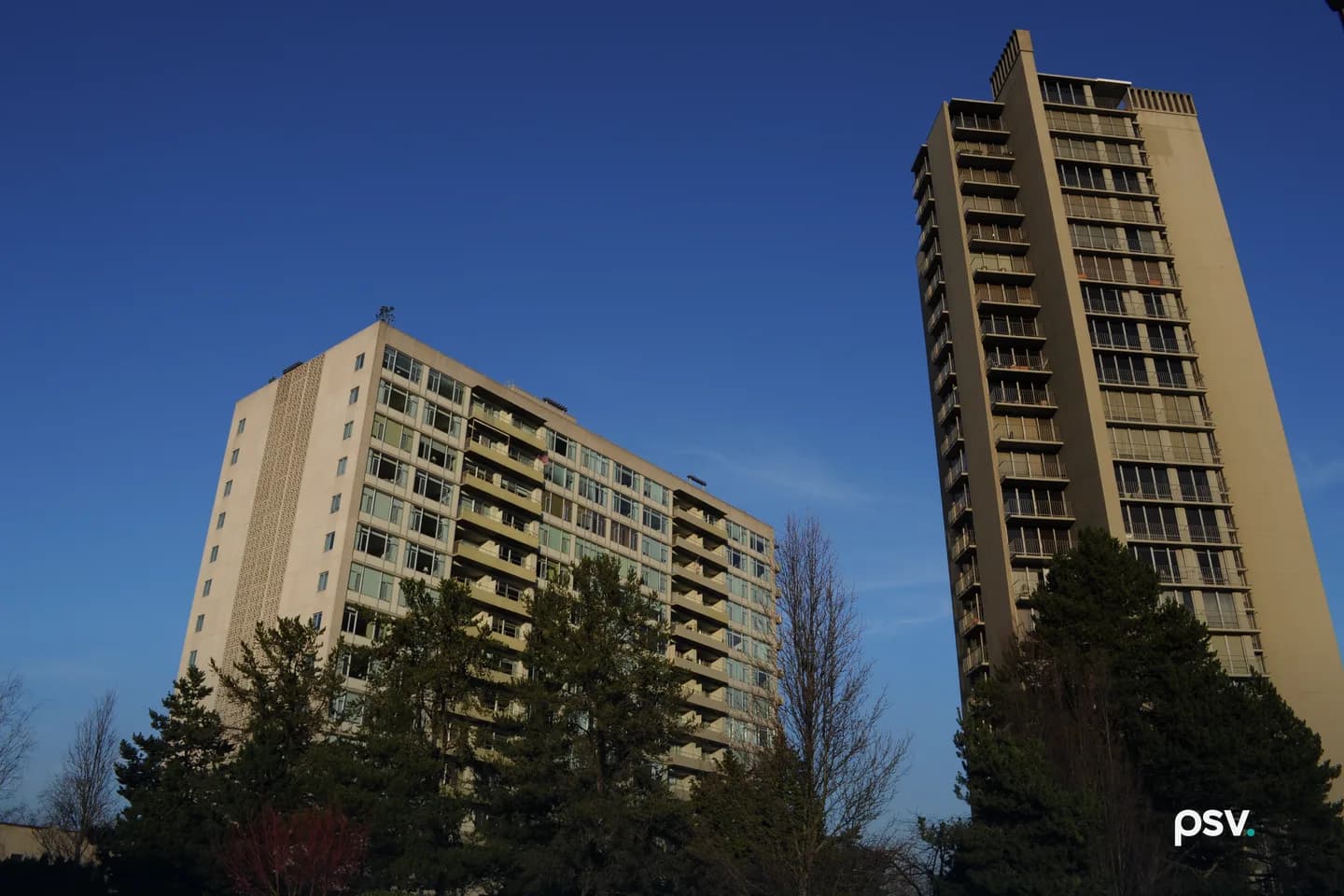
- Wikimedia Commons, “Seattle - Parkshore & Washington Park Tower,” Joe Mabel, CC BY-SA 3.0 (lead photograph)
Topics
Related PSV analysis
CRE POLICY NEWS
The FTC Unwound Zillow’s $100M Deal. The Date That Matters Comes Later.
The Federal Trade Commission and five state attorneys general filed a stipulated final order on August 24 resolving their antitrust case over the February 2025 agreement in which Zillow paid Redfin $100 million to leave apartment advertising. Redfin has six months from entry to relaunch. Zillow’s own SEC filing says the syndication partnership continues, with no admission of liability.
CRE AI ADOPTION
Skip the Yardi API? Run This Test Before Claude Connects
Two operators, same week, same sentence: the API quote was more than the problem is worth. The question behind the Yardi connector news is older and more practical: for a small or mid-size portfolio, does programmatic Yardi access ever pay for itself, or do scheduled report exports cover everything the AI workflows actually need? There is a test that answers it in an afternoon, and most firms have never run it.
CRE PROPTECH NEWS
Claude Talks to Yardi Now. Most Operators Haven’t Caught Up.
Does Claude integrate with Yardi? It is one of the most common questions in PSV client scoping calls and Institute office hours, and the answer changed while most of the industry was not looking. Yardi announced Virtuoso Connectors in September 2025, and by June 2026 it had published two MCP connectors on Anthropic’s marketplace: live Yardi operational data and Yardi Matrix market data, both readable from inside Claude.
Related guides
Cornerstone PSV guides on the workflows in this article.
Best AI Tools for Commercial Real Estate
The pillar guide to choosing CRE AI tools by workflow fit and control, not vendor hype.
Read the guideCommercial Real Estate Underwriting Software
A buyer's guide to CRE underwriting software: the three categories, what to require of any tool, and why a grounded AI workflow you own often beats a black box you rent.
Read the guideMultifamily AI Underwriting & Acquisitions
Custom AI employees for multifamily underwriting and acquisitions. OM ingestion, rent roll abstraction, agency debt sizing, traced to your model.
Read the guideby PSVLiveYou read the operator view. Now learn to run the workflow.
The AI MBA for commercial real estate: the workflows these briefs describe, taught end to end on real deal files, with live builds and a community of CRE operators.