CRE PROPTECH NEWS
Cove Buys GHA, Its First AI Roll-Up of an Architecture Firm
Cove, the Atlanta AI-first architecture practice, has bought GHA (formerly Gallo Herbert Architects) of Deerfield Beach, Florida, the first firm in what it calls an AI roll-up strategy. Its adviser says the deal closed in October with acquisition financing. GHA keeps its name, team and CEO; terms were not disclosed.
Direct answer
Direct answer to Cove acquires GHA
An AI design company is now buying licensed architecture practices rather than selling them software. For developers, the practical change is on the vendor side: the firm drawing a project may now be owned by a technology company, and its pitch is speed. Cove’s 40 to 50 percent speed figure is its own claim. Check the architect of record, the contract and the zoning work as before.
What Cove announced
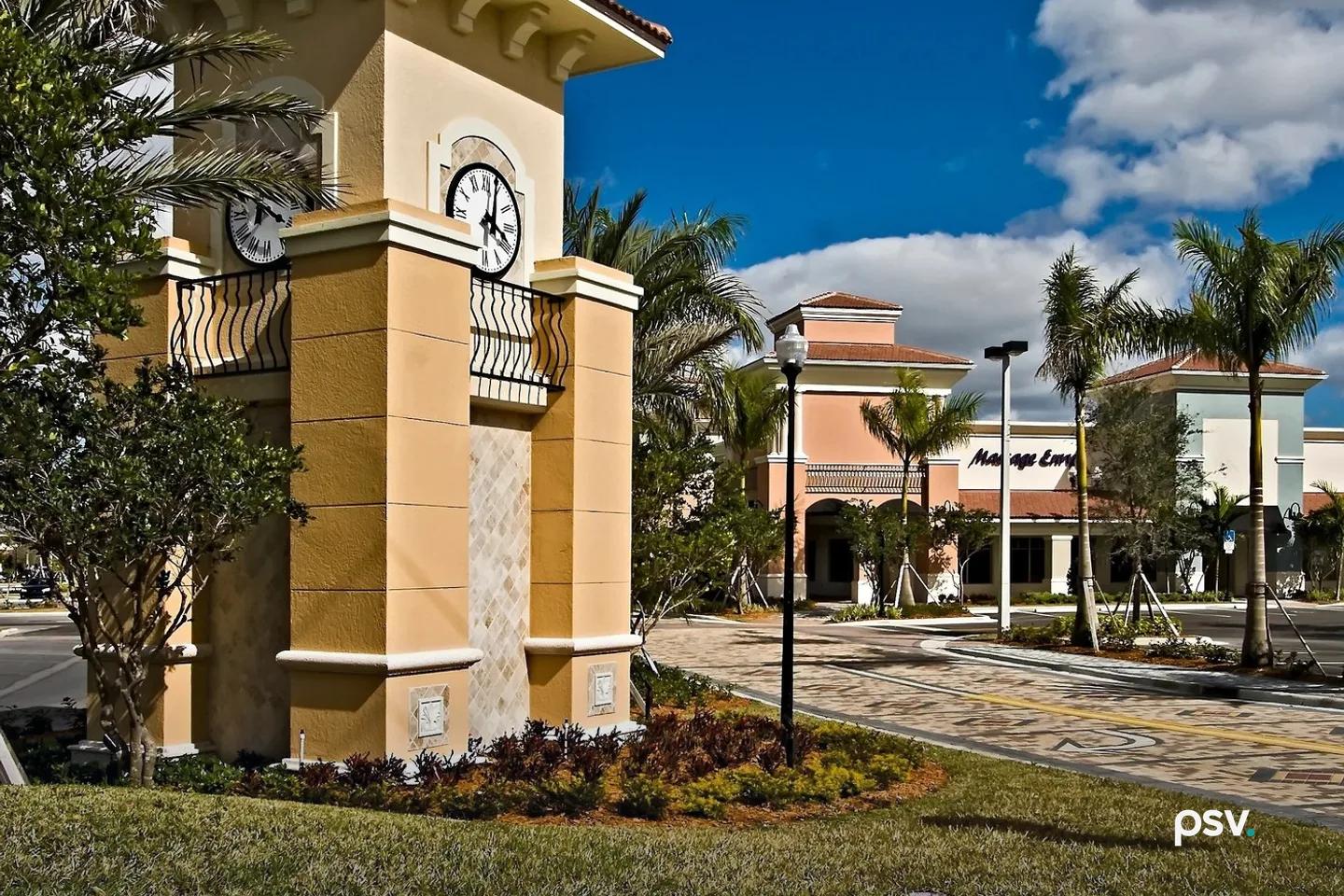
On November 16, 2026, Cove announced that GHA, formerly Gallo Herbert Architects, a Deerfield Beach, Florida architecture firm, has joined its practice as the first firm in its “AI roll-up strategy,” and that the move extends Cove into South Florida. The company says firms that join keep their names, teams and design identities and gain its technology and operating resources. Brian Herbert, who has led GHA for about 30 years, stays on as CEO, and the firm now operates as “GHA, a cove.inc company” from its existing office. Terms were not disclosed.
Two records add detail the announcement leaves out. Edgewater Strategy Group, which advised the buyer, said on November 13 that the acquirer is Cove Tool, Inc., founded in 2017 by Sandeep Ahuja and Patrick Chopson, that Cove launched its full-service architecture practice in 2025, and that the acquisition closed in October 2026. Edgewater says it handled buy-side financial diligence and the closing funds flow and facilitated Cove’s acquisition financing process, including the lender data room; it does not name the lender or the amount. Cove’s release says GHA has designed affordable and senior housing, retail, self storage and public projects since 1985 and is licensed in 13 states and Washington, D.C.; Edgewater describes GHA’s work as also spanning commercial, industrial, educational, multifamily and transportation projects, plus interiors and owner’s representative services. Commercial Observer, a discovery record PSV has not verified, reported that the price included “money and stock” and that Cove plans to buy three more firms in 2027.
Why a CRE operator should care
Most AI design tools reach developers as software their architect may or may not use. Cove is taking the other route: it owns the architecture practice, so the AI sits inside the firm that holds the licenses, signs the contract and carries the liability. If the roll-up continues, a developer’s regional architect of decades may change owners without changing its name, which is exactly how Cove says the model works. That puts ownership, staffing and insurance questions into routine architect selection that were rarely asked before.
The commercial pitch is speed at the front of a deal. Cove says its proprietary tools, built in-house, produce everything from feasibility studies to fully coordinated design iterations 40 to 50 percent faster than traditional practice. That is a company claim, not a PSV finding, and the release does not say what was measured or against which baseline. Faster feasibility matters most where a developer must decide inside a due diligence period whether a site works, which is also where a wrong zoning reading costs the most.
The workflow PSV would run
The useful check is the same whether the feasibility study came from an AI-first firm or a traditional one: reconcile every number in it to a source. Inputs are the study itself, the zoning code sections and overlay maps for the parcel, the survey and title commitment, the program the developer asked for, and the executed design services agreement. The model extracts each stated assumption, such as permitted density, height, setbacks, parking ratio and unit mix, and lines it up against the code section and survey it should come from. The output is one table: assumption, value in the study, cited source, value PSV found, and a flag where they differ or no source is cited.
The reviewer is the development lead with land use counsel, and the gate is fixed: no deposit goes hard and no design contract is signed on an unreconciled study. A second pass covers the vendor, not the drawings: who the architect of record is and where that person is licensed, the professional liability certificate, and whether the contract allows assignment or change of control without consent. The model only reads and compares documents; it does not interpret the code.
What should remain human-owned
The operator read
Finish with the judgment call.
The reported facts are above. Enter your email for PSV's operator conclusion and a year of access to every newsroom brief.
Free. No card. Privacy policy.
 by PSVLive
Build the workflow behind this analysis. Train with the operators doing it.
Real deal files, live builds, and production-ready CRE AI workflows inside the CRE AI Institute.











Clear answers
Common questions about Cove acquires GHA
Who did Cove acquire?
GHA, formerly Gallo Herbert Architects, an architecture and development consulting firm in Deerfield Beach, Florida, designing affordable and senior housing, retail, self storage and public projects since 1985. Cove announced it on November 16, 2026 as the first firm in its AI roll-up strategy. The buyer’s adviser, Edgewater Strategy Group, says the buyer is Cove Tool, Inc. and the deal closed in October 2026. Terms were not disclosed.
Does GHA keep its name after joining Cove?
Yes. Cove says firms that join keep their names, teams and design identities. GHA operates as “GHA, a cove.inc company” from its Deerfield Beach office, and Brian Herbert, who has led it for about 30 years, continues as CEO. Clients with open contracts should still confirm in writing that the architect of record, team and insurance are unchanged.
Is Cove’s AI design really 40 to 50 percent faster?
That is Cove’s claim: it says its in-house tools produce work from feasibility studies to fully coordinated design iterations 40 to 50 percent faster than traditional practice. The release does not say how it was measured. PSV has not tested it. A developer can compare it on a live project by running the same program and checking each zoning assumption against the code.
Primary source record
These records support the reported facts in this brief. PSV’s CRE workflow interpretation and test plan are original analysis.
- Cove, “cove Brings the AI Roll-Up to Architecture as GHA Joins Its AI-First Practice,” PR Newswire, November 16, 2026
- Cove, “GHA, a cove.inc company” (company page; lead photograph source)
- Edgewater Strategy Group, “Edgewater Strategy Group Supports Cove on Its Acquisition of GHA Architects, from Diligence Through Integration,” November 13, 2026 (buyer’s adviser: legal buyer name, October close, acquisition financing)
- Commercial Observer, “AI-First Architecture Firm Cove Acquires Architecture Firm GHA,” November 19, 2026 (source of the reported consideration and 2027 acquisition plans; discovery record)
Topics
Related PSV analysis
CRE PROPTECH NEWS
12 PropTech Acquisitions, 2024 to 2026: Who Bought CRE’s Record
Twelve proptech acquisitions closed between January 2024 and September 2026. PSV checked each one against the buyer’s own filing or press release, corrected four numbers that are circulating wrong, and pulled out the pattern: the big platforms bought the records of a building (scans, leases, work orders, the data layer), then bought AI agents to work on them.
CRE PROPTECH NEWS
Procore Paid $845 Million to See the Jobsite
Procore closed its acquisition of DroneDeploy on September 9, forty-four days after signing, for approximately $845 million in cash. The construction software company that holds the RFIs, submittals and inspections now owns the drone and camera record of the physical build too, and it paid with $950 million of zero-coupon convertible notes. PSV read the three 8-Ks and Procore’s own announcement.
CRE PROPTECH NEWS
Seven Companies Took 58% of Proptech Funding in the Third Quarter, CRETI Reports
CRETI, a real estate technology research group, reported on October 5, 2026 that proptech companies raised about $2.21 billion in the third quarter and that the seven largest financings took about $1.28 billion of it. The seven are EliseAI, Kahua, Invenergy, Buildots, TerraFirma, ICON and Habitat. The company releases PSV checked do not match the tally on every detail.
Related guides
Cornerstone PSV guides on the workflows in this article.
What is CRE AI?
The definitional guide to commercial real estate AI: the core workflows, how it differs from a chatbot, and how to learn it.
Read the guideAI for Real Estate Investing
How commercial real estate investors use AI across the deal lifecycle: sourcing, underwriting, due diligence, and asset management, grounded in real documents.
Read the guideClaude for Real Estate Developers
The ground-up developer field guide: site selection through IC memo, built on a real development deal.
Read the guideby PSVLiveYou read the operator view. Now learn to run the workflow.
The AI MBA for commercial real estate: the workflows these briefs describe, taught end to end on real deal files, with live builds and a community of CRE operators.