CRE POLICY NEWS
San Francisco Pauses New Data Centers for 45 Days
San Francisco’s urgency ordinance, File No. 261021, bars the city from issuing any approval for a data center for 45 days, with exceptions for accessory computing and for repair of existing sites. Reporting says the mayor signed it on October 16, 2026, and days later a developer’s plan to convert a shuttered downtown mall surfaced.
Direct answer
Direct answer to San Francisco data center moratorium
For 45 days, San Francisco will not approve a new data center, defined as a facility whose primary purpose is housing computing for processing, storing or distributing data. Server rooms that serve a building’s own occupants are carved out, and existing sites can be repaired but not enlarged. State law lets the city extend the pause, so a site that depends on a San Francisco approval should not be underwritten on a 45-day horizon.
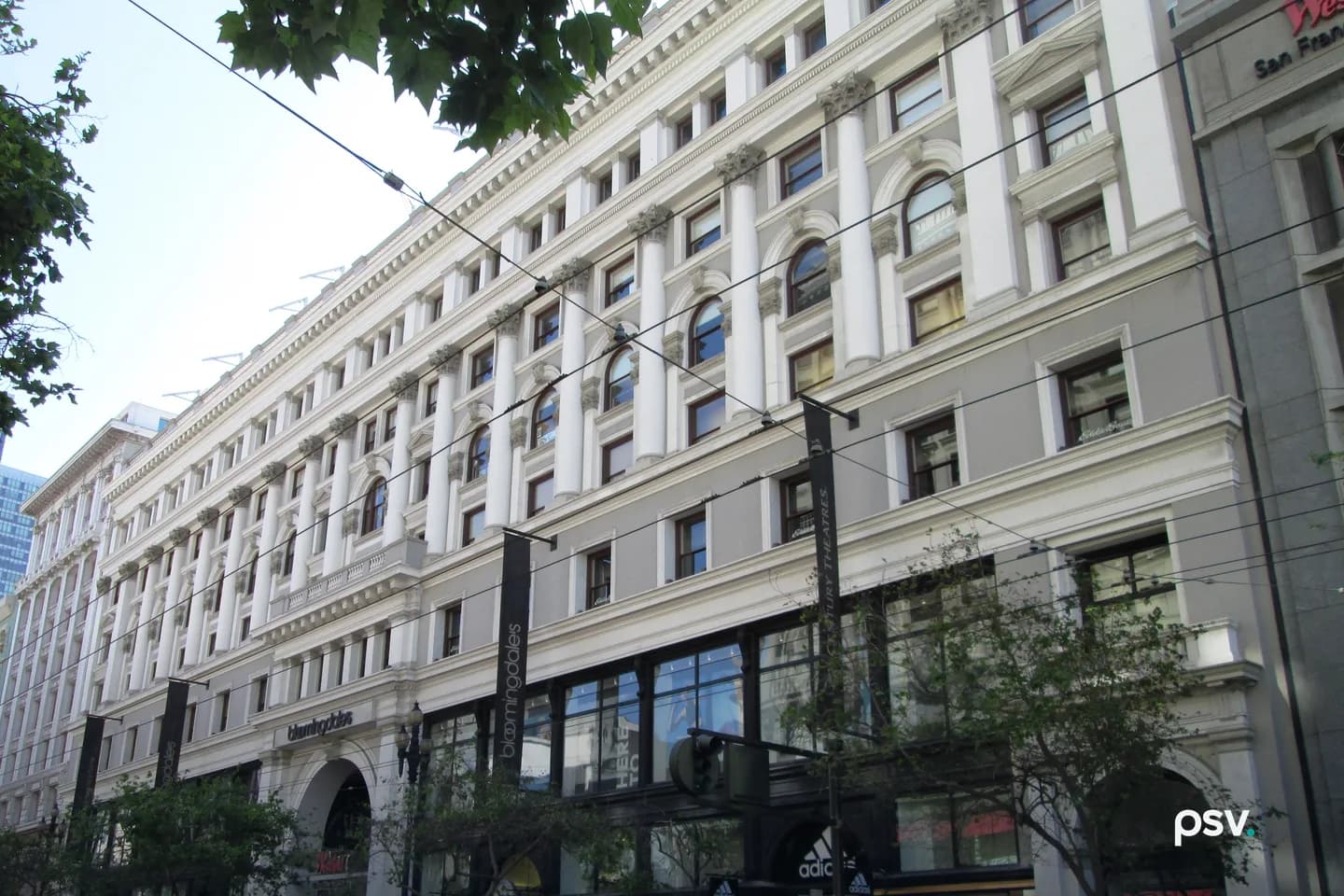
What the ordinance says
The measure is File No. 261021, an urgency ordinance titled “Interim Zoning Moratorium for Data Centers,” sponsored by Supervisor Shamann Walton with Supervisors Connie Chan, Jackie Fielder and Chyanne Chen. It adopts a citywide ban under California Government Code Section 65858 and states that “the City shall not issue any approval or authorization for Data Centers.” It borrows the definition from Senate Bill 887 (2025-2026): a facility, or part of one, that houses computing infrastructure including graphics and central processing units, servers, storage, networking and associated power and cooling “for the primary purpose of processing, storing, or distributing electronic data.” Two things are exempt: data centers that are accessory uses to another permitted use, and repair and maintenance of existing data centers that does not increase their size or capacity.
The ordinance runs 45 days unless extended under Section 65858 or replaced by permanent controls, and its own findings say that section allows extensions for up to 22 months and 15 days beyond the initial period. It takes effect on enactment, which happens when the mayor signs it, returns it unsigned, or lets ten days pass. The Planning Department owes the Clerk a written report within 25 days of enactment, and the Board must act on that report no later than 35 days after the effective date. PSV read the version amended in committee on October 5, 2026, as posted on DocumentCloud by the San Francisco Standard. PSV did not find the final enrolled text, so the dates below rely on press reports of the vote and signing.
Why a CRE operator should care
The Standard reported that the Board approved the measure unanimously the week before and that Mayor Daniel Lurie signed it on October 16, 2026, the last day he could act before it took effect without his signature. If enactment was October 16, the 45 days compute to November 30, the Planning Department report to November 10, and the Board’s deadline to act on it to November 20. Those are PSV’s arithmetic from the ordinance text and the reported signing date, not dates the city has published. The mayor’s statement, as the Standard described it, did not use the words “data centers.”
The ordinance’s findings explain the gap it is closing. San Francisco has regulated data centers under a 2001 use category called an Internet Service Exchange, generally a conditional use, and the findings say several data centers have been approved mostly in Bayview and South of Market, and that officials receive inquiries about new ones regularly. Walton’s September 11 release says the current codes were written before today’s AI scale. One live test arrived within days: reporting by the San Francisco Chronicle, confirmed to NBC Bay Area by development consultants, says Maryland-based KG Growth Partners is exploring a confidential client’s purchase of the closed San Francisco Centre mall to convert upper floors into a data center and AI lab. Lurie said on October 19 that he was not aware of the proposal, the building is still for sale and there is no buyer. No application is on file, as far as PSV found.
The workflow PSV would run: an entitlement-status screen
The tool is a screen for any San Francisco property where a data hall, hosting use or large equipment room is in the business plan. Inputs are the plan’s use description, the megawatts and square footage of computing space, who the computing serves, the current zoning use category, and any pending permit. The output is a one-page status that sorts each computing area into accessory to the building’s main use, standalone hosting, or existing capacity, and lists the approvals each would need and the pause’s effect on them.
The reviewer is the land-use counsel or entitlement consultant, with the investment lead signing off on any underwriting assumption. The approval gate is that nobody records a space as accessory on the strength of this screen alone, since the ordinance leaves that call to the Planning Department. The screen does not predict what permanent controls will say.
What stays with a person, and what the record leaves open
The operator read
Finish with the judgment call.
The reported facts are above. Enter your email for PSV's operator conclusion and a year of access to every newsroom brief.
Free. No card. Privacy policy. Unsubscribe anytime.
 by PSVLive
Build the workflow behind this analysis. Train with the operators doing it.
Real deal files, live builds, and production-ready CRE AI workflows inside the CRE AI Institute.











Clear answers
Common questions about San Francisco data center moratorium
What does San Francisco’s data center moratorium prohibit?
File No. 261021 says the city shall not issue any approval or authorization for a data center for 45 days. It uses the Senate Bill 887 definition, a facility housing computing infrastructure for the primary purpose of processing, storing or distributing electronic data. It exempts data centers that are accessory uses to another permitted use and repair or maintenance of existing data centers that does not increase size or capacity.
How long does the San Francisco pause last?
The ordinance runs 45 days unless extended under California Government Code Section 65858 or replaced by permanent controls, and its findings say extensions can total up to 22 months and 15 days beyond the initial period. If it was enacted on October 16, 2026, as press reports say, the 45 days compute to November 30, 2026. The city has not been found to have published that date.
Does the moratorium stop the proposed San Francisco Centre mall data center?
No application has been reported for the mall, and Mayor Lurie said on October 19, 2026 that the building was still for sale with no buyer. Any future application would face the pause if it is a data center under the ordinance’s primary-purpose definition, and whether a mostly mixed-use building qualifies is a question for the Planning Department.
Primary source record
These records support the reported facts in this brief. PSV’s CRE workflow interpretation and test plan are original analysis.
- City and County of San Francisco, Board of Supervisors, File No. 261021, Interim Zoning Moratorium for Data Centers, amended in committee October 5, 2026 (DocumentCloud)
- SF.gov, District 10 Supervisor Shamann Walton, “Supervisor Walton to Introduce Moratorium on AI Data Centers in San Francisco,” September 11, 2026
- The San Francisco Standard, “Lurie signs data center moratorium, pausing new development,” October 16, 2026
- NBC Bay Area, “Proposal to turn abandoned SF Centre mall into data center and AI lab faces pushback from Mayor Lurie,” October 19, 2026
- Wikimedia Commons, “Westfield San Francisco Centre 845 Market Street,” Beyond My Ken, CC BY-SA 4.0 (lead photograph)
Topics
Related PSV analysis
CRE POLICY NEWS
Anne Arundel County Pauses New Data Centers and Repeals Their Tax Break
The Anne Arundel County Council in Maryland voted 7 to 0 on October 5, 2026 to pass Bill 63-26, according to the county’s bill page. The amended text stops the county from accepting new data center applications until January 31, 2028 at the latest. It also repeals a 2022 code section that reduced the personal property tax assessment on qualified data center equipment for 15 years.
CRE POLICY NEWS
Cheyenne and Arapaho Citizens Vote a Three-Year Data Center Moratorium on Tribal Land
At their annual Tribal Council meeting in Concho, Oklahoma on October 3, citizens of the Cheyenne and Arapaho Tribes voted on Resolution 100326ATC-004, a moratorium on building new data centers on tribal land. News 9 reported it passed 261 to 83. The resolution says the tribal administration was considering a data center, and that non-disclosure agreements are not in the Tribes’ best interests.
CRE POLICY NEWS
Senate Permitting Bill Would Make 20 MW Data Centers Pay
The Bipartisan American Affordability and Jobs Act of 2026, introduced on September 30 by the chairs and ranking members of the Senate’s environment and energy committees, would make data centers and other computing loads of 20 megawatts or more bear the full incremental cost of the power, transmission and distribution built to serve them, and let states auction service.
Related guides
Cornerstone PSV guides on the workflows in this article.
Claude for Real Estate Developers
The ground-up developer field guide: site selection through IC memo, built on a real development deal.
Read the guideEnterprise AI for Institutional CRE
PSV trains your whole firm on Claude and ChatGPT, builds your agents live inside your own environment, and stays on as your embedded AI team. What we build for you is yours.
Read the guideRetail Real Estate AI Underwriting
Custom AI employees for retail real estate underwriting. Anchor co-tenancy, CAM reconciliation, tenant credit, and 1031 buyer matching for centers and NNN.
Read the guideby PSVLiveYou read the operator view. Now learn to run the workflow.
The AI MBA for commercial real estate: the workflows these briefs describe, taught end to end on real deal files, with live builds and a community of CRE operators.